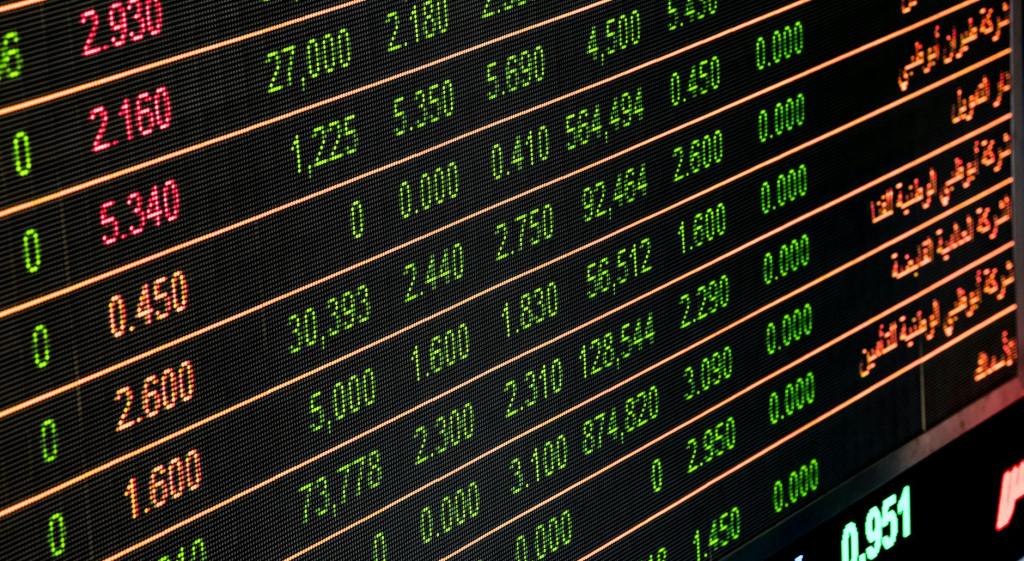
When it comes to making money through the stock market, many people get confused about the difference between investing and trading. Both methods involve buying and selling assets, but they have very different goals, strategies, and timeframes. Understanding these differences can help you decide which approach suits your financial goals and personality best.
Investing is generally about long-term growth. Investors buy assets such as stocks, bonds, or mutual funds with the hope that their value will increase over time. They tend to hold onto their investments for years or even decades, allowing compound interest and market growth to work in their favor. Investing requires patience and discipline because the market can be unpredictable in the short term. People who invest often focus on the fundamentals of a company or the overall health of the economy when making decisions.
On the other hand, trading is more about short-term profits. Traders buy and sell assets frequently, sometimes even within the same day. They rely on technical analysis and market trends to predict price movements. The goal is to make quick profits by taking advantage of small price changes. Trading can be highly stressful and requires a lot of time, focus, and knowledge of market patterns. Traders often use advanced tools and strategies to try to beat the market consistently.
Choosing between investing and trading depends on your personality, financial goals, and how much time you are willing to dedicate. If you are patient, disciplined, and interested in building wealth gradually, investing might be the better choice. It is also generally less risky and requires less active management. However, if you enjoy analyzing market data, making quick decisions, and are comfortable with higher risk, trading could be more suitable.
It is important to remember that both investing and trading have their own risks and rewards. No matter which approach you choose, it is vital to do thorough research, have a clear plan, and manage your risks wisely. Many successful investors and traders use a combination of both strategies to diversify their portfolios and balance risk and reward.
In conclusion, understanding the differences between investing and trading can help you make better financial decisions. Whether you prefer a slow and steady approach or a more active and fast-paced style, the key is to align your strategy with your personal goals and comfort level. Both methods require knowledge, discipline, and patience to succeed in the long run.
 Teen Money Mindset
Leave a comment