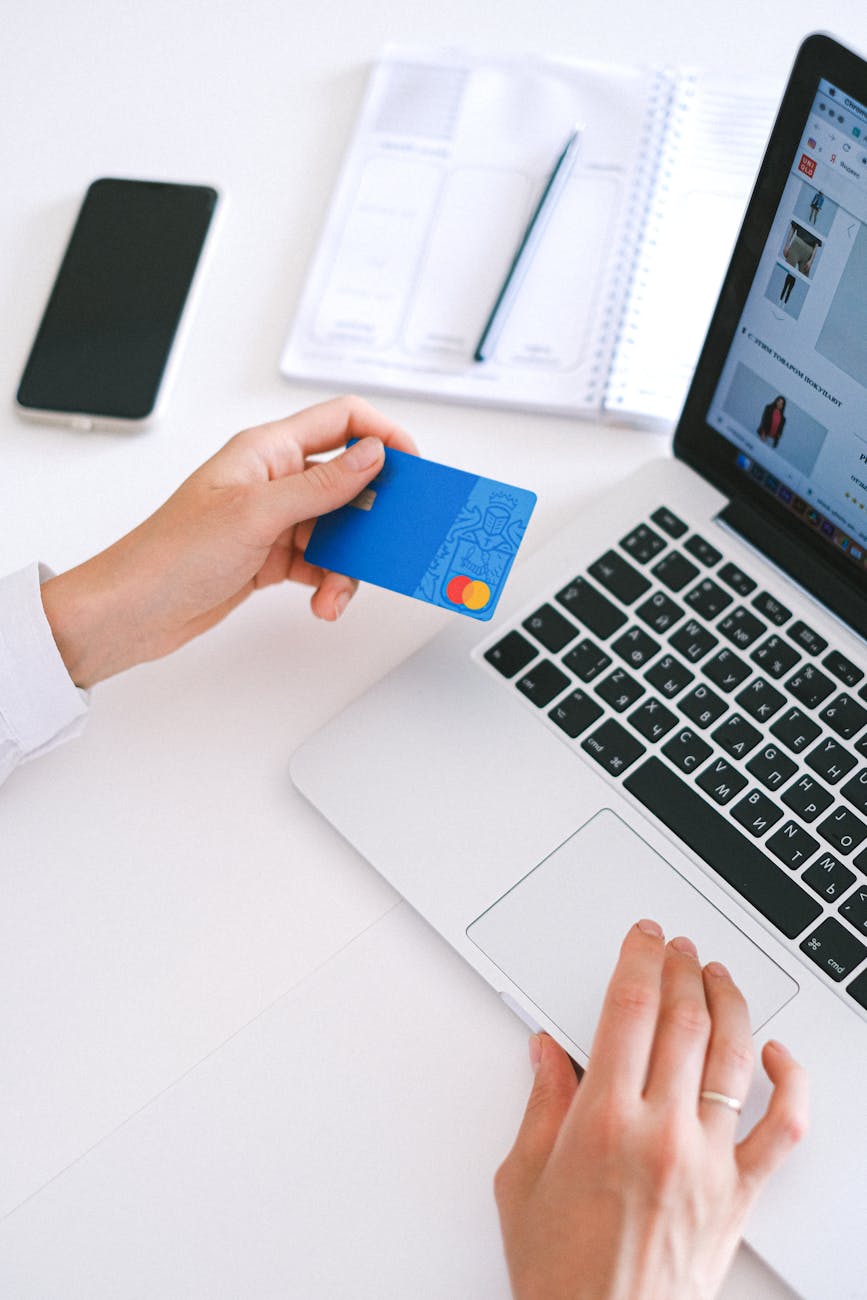
Both online banking and traditional banking have their own advantages, but for teenagers, online banking is often the better choice due to its convenience, flexibility, and modern features that suit a busy lifestyle.
Online banking allows you to access your account anytime and anywhere using a computer or smartphone. You can easily check your balance, transfer money between accounts, set up automatic payments, and deposit checks through your bank’s app or website. This means you don’t have to visit a bank branch in person, saving you time and effort. Plus, many online banks have lower or even no monthly fees, which is great for teens who are just starting to learn how to manage their money without worrying about extra charges. Some online banks also offer helpful tools like savings goals, spending trackers, and educational resources that make learning about money management easier and more engaging.
Traditional banking, on the other hand, involves going to a physical branch where you can speak directly with a banker. This can be useful if you need personal assistance, want help setting up a special account, or prefer face-to-face interactions. Some teens or parents might feel more comfortable handling certain transactions in person or have questions that are easier to ask directly. However, visiting a branch can take more time, and branches might have limited hours, which could be inconvenient for a busy teen’s schedule.
For most teenagers, especially those just learning to manage their money, online banking is generally the better option because it offers more accessibility and control. It helps you develop digital money management skills that are essential in today’s world. Many banks now offer accounts specifically designed for teens, often with parental controls, educational tools, and features that encourage saving and responsible spending.
That said, traditional banking can still be useful in certain situations, such as needing personalized help or handling complex transactions. But overall, for everyday use, learning, and building good financial habits, online banking tends to be the smarter, more practical choice for teens. It makes managing money simpler, more engaging, and prepares you for a future where digital financial skills are increasingly important.
 Teen Money Mindset
Leave a comment