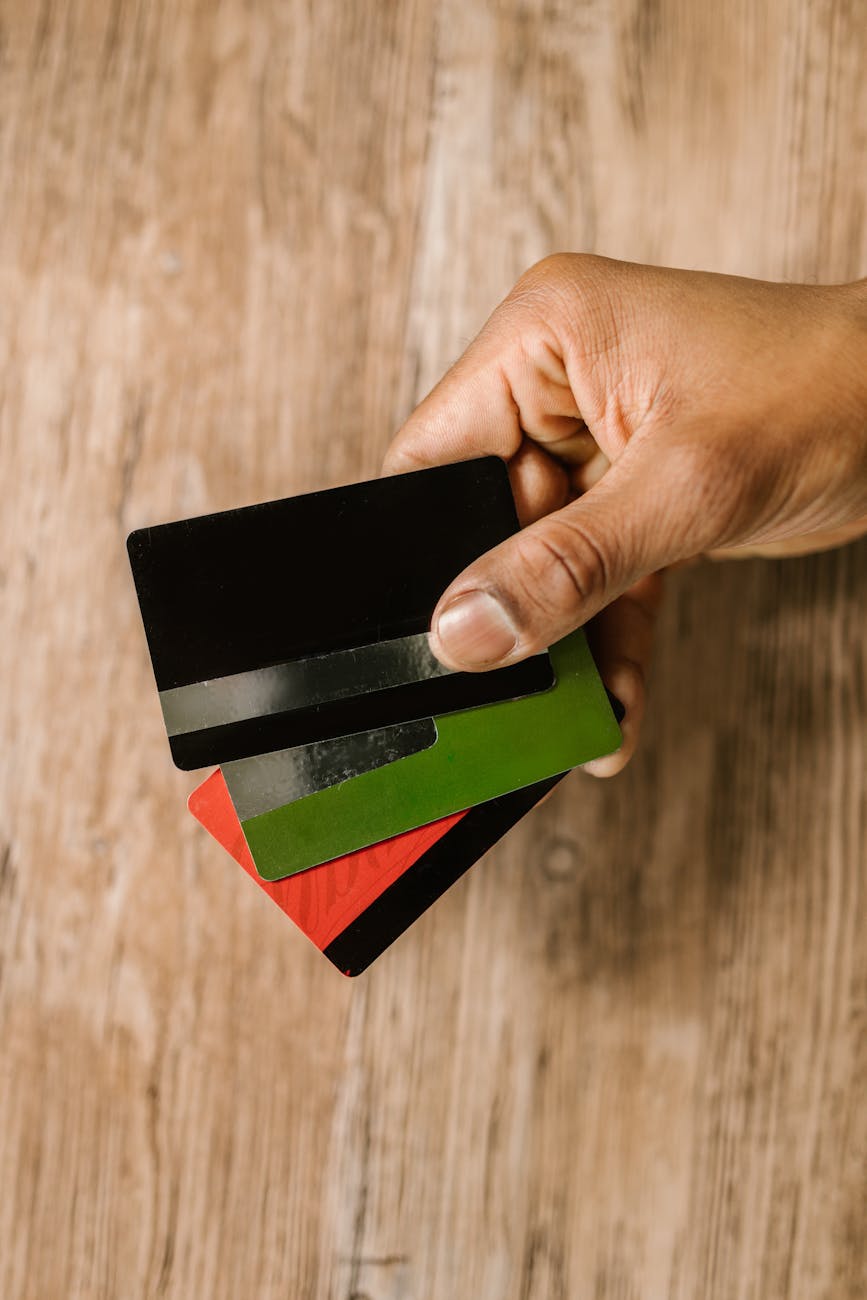
Debit cards and credit cards are both useful tools for managing your money, but they work in different ways and have different advantages. Understanding the key differences can help you decide which one to use in various situations.
A debit card is linked directly to your checking account. When you make a purchase with a debit card, money is taken straight out of your account immediately. It’s like using cash—you can only spend what you have, which makes it easier to stick to your budget and avoid debt. Debit cards are great for everyday shopping, ATM withdrawals, and when you want to keep track of your spending more closely.
A credit card, on the other hand, is a short-term loan from the bank or credit card company. When you use a credit card, you’re borrowing money that you’ll need to pay back later. If you pay your balance in full each month, you can avoid interest charges. Using a credit card can also help you build credit, which is important for future loans or renting an apartment. Credit cards are useful for bigger purchases, online shopping, or earning rewards like cash back or travel points.
So, which one should you use? Here are some tips:
- Use your debit card for daily expenses and when you want to avoid overspending. It helps you stay within your budget because you’re only spending what you already have.
- Use your credit card for larger purchases, online shopping, or when you want to earn rewards or build your credit. Just make sure to pay off the full balance each month to avoid interest charges.
- Be cautious with credit cards—if you carry a balance and don’t pay it off, interest can add up quickly, making your purchases more expensive over time.
In summary, both cards have their place. Debit cards are great for controlling spending and avoiding debt, while credit cards can provide extra benefits and help build your credit history. The best approach is to use each wisely and responsibly based on your financial goals and habits.
 Teen Money Mindset
Leave a comment