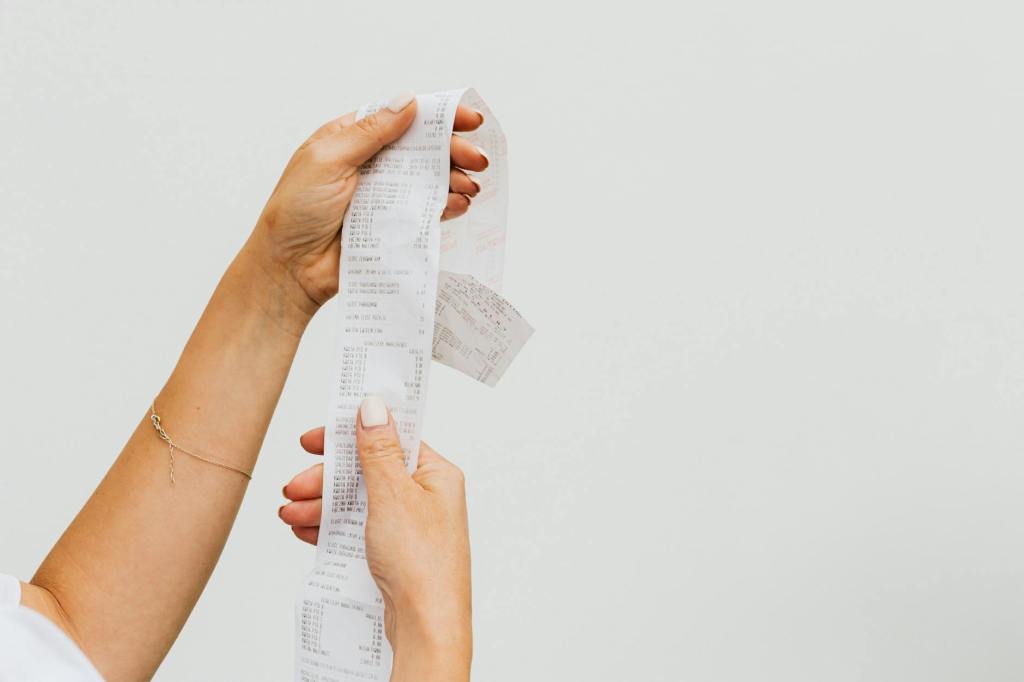
Impulse buying can quickly drain your money and lead to regret or clutter. If you want to save more, spend smarter, and make better financial choices, learning how to control those spontaneous purchases is key. Here’s a simple guide to help you stop impulse buying and stay in control of your money.
1. Create a Budget and Stick to It
Set a clear limit for what you can spend each week or month. When you have a plan, it’s easier to resist temptation.
2. Make a Shopping List
Before shopping (online or in person), write down exactly what you need. Stick to this list — avoid buying anything extra that’s not on it.
3. Wait Before Buying
When you see something you want, pause. Give yourself a 24-hour or even a week to think about it. Often, the urge will fade, and you’ll realize if you really need it.
4. Avoid Temptation
If certain stores or websites make you want to buy things impulsively, try to avoid them. Unsubscribe from promotional emails or disable quick-buy features.
5. Limit Your Access to Money
Leave your debit or credit cards at home when you go shopping. Use cash or a prepaid card, and set a limit on how much you carry.
6. Identify Your Triggers
Are you bored, stressed, or emotional? Recognize these feelings and find healthier ways to cope, like going for a walk, listening to music, or talking to a friend.
7. Focus on Your Goals
Remind yourself of your savings goals — whether it’s saving for college, a big purchase, or building an emergency fund. Keeping your goals in mind makes it easier to resist unnecessary buys.
8. Practice Mindfulness
Before clicking “buy” or grabbing something, ask yourself:
- Do I really need this?
- Will I use it often?
- Is this worth the money?
Taking a moment to reflect helps you make smarter decisions.
Remember:
Breaking the habit of impulse buying takes practice. Be patient with yourself and celebrate small wins. With time, you’ll get better at making thoughtful choices and keeping your money where it belongs — in your savings or toward your goals!
 Teen Money Mindset
Leave a comment